Understanding the Fundamentals of Corporation Details


On the planet of organization, recognizing corporations is basic for any individual involved in commerce, whether you're a stakeholder, an investor, or an interested viewer. A firm is a lawful entity separate from its owners, supplying them limited responsibility and the ability to raise funding through the sale of shares. This framework motivates financial investment and offers a durable vehicle for organization procedures, development, and monitoring. The nature of a company allows it to have possessions, sustain obligations, work with workers, participate in agreements, and be or sue filed a claim against in its own name. The intricacy of business structures can vary widely, from little, very closely held business to large, openly traded multinationals with considerable worldwide operations.
Essential to understanding any firm is its fundamental files, such as the articles of unification and the bylaws. These records describe the main features of the firm, including its company purpose, the names of its initial directors, and the kinds of supply it is authorized to release. Beyond these documents, a corporation's operations are greatly influenced by its board of directors, that are chosen by shareholders and hold the duty of significant decision-making. Furthermore, companies undergo strenuous regulative atmospheres that can differ substantially depending upon the territory. This consists of periodic filings with governing bodies, such as annual reports, which disclose essential monetary and operational info to the general public and other stakeholders, making certain transparency and responsibility in company administration.
Review of Business Entities
Comprehending the structure and functional dynamics of firms is integral for any person took part in the organization globe. A company is a lawful entity that is different and unique from its owners, called shareholders. This splitting up provides the shareholders with restricted liability, meaning that their personal assets are secured from the business's financial obligations and responsibilities. Companies can sustaining past the lifespans of their original owners, owing to their ability to be moved through the selling of shares, which stand for possession sections in the firm. This transferability of shares promotes the buildup of funding and resources, making firms a highly favored framework for massive organizations.
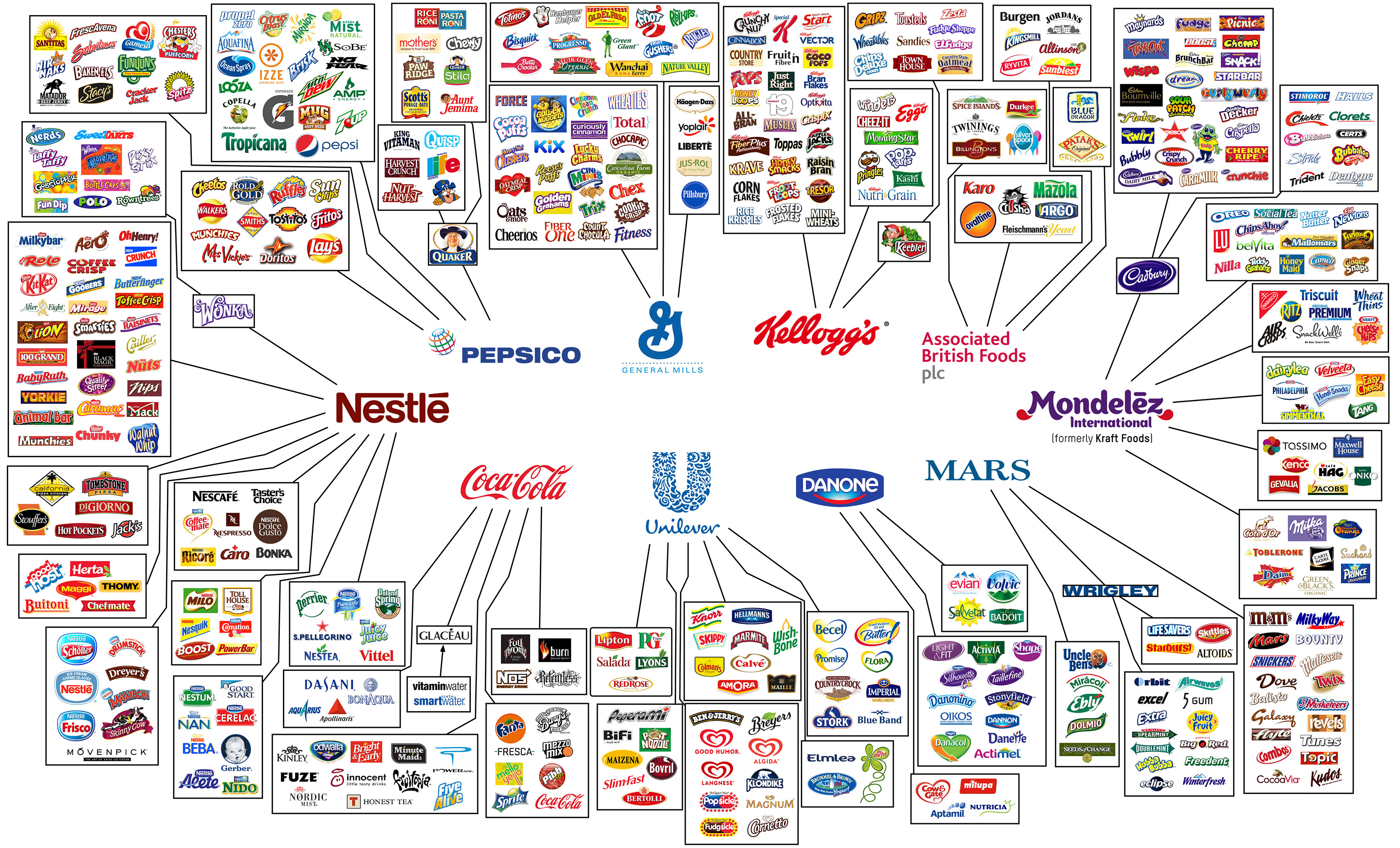
The process of developing a company entails several legal steps, consisting of the filing of Articles of Consolidation with the relevant state authority and the production of bylaws which outline the functional guidelines of the firm. As soon as developed, corporations are required to follow stringent conformity policies consisting of normal monetary reporting, which guarantees transparency and responsibility to shareholders. Additionally, firms have to hold annual investor meetings to elect the board of supervisors who look after the broader strategic direction of the firm. This framework not only helps in maintaining the performance of procedures but additionally safeguards the passions of the investors.
Companies also benefit from the ability to raise significant funding through the sale of stocks and bonds. This ability permits them to take on substantial projects, broaden operations globally, or purchase r & d at a range unachievable by other organization kinds. Nevertheless, the business framework also includes its complexities. Corporations face dual taxation, where revenues are exhausted at the business level and after that once again as rewards to shareholders. Furthermore, the bigger a firm becomes, the a lot more challenging it can be to handle successfully, frequently requiring a sophisticated administration framework and a robust bureaucratic procedure to handle its operations.
Despite these obstacles, corporations remain to be a keystone of the global economy, driving innovation, work, and financial development across numerous industries. They offer a durable model for service procedures that, while complex, provides considerable advantages in regards to scalability, resource mobilization, and durability, making them an essential component of the modern-day service landscape.
Company Structure and Management
The framework of a corporation plays a pivotal function in its operational efficiency and strategic instructions. Normally, a company is structured with a tiered system where the board of directors holds the supreme administration obligation, managing the broad strategies and choices. They are chosen by the shareholders, who are the genuine proprietors of the company, charged with guarding the shareholders' passions and guaranteeing executive responsibility. Below this top level, the exec administration group, led by the CEO, is liable for daily procedures and executing the approaches established by the board. These execs manage various divisions such as finance, advertising and marketing, human sources, and operations, each led by elderly supervisors that specialize in their respective areas. The complexity of this structure can vary substantially from one company to an additional, affected by aspects such as the dimension of the business, the sector in which it runs, and geographic dispersion. A worldwide firm might have a more complex structure with regional divisions and a plethora of subsidiaries, each running semi-autonomously but lining up with main corporate policies and strategies. This decentralization enables for customized strategies that satisfy regional markets while preserving total corporate comprehensibility. Additionally, company monitoring practices and philosophies can substantially affect business performance. Modern firms usually embrace a participative management design, advertising transparency and worker involvement in decision-making procedures, which can result in boosted development and spirits. Conversely, is there uniqlo in usa ordered method could be utilized in sectors where tight control over procedures and choices is essential. Recognizing these components of business structure and monitoring is necessary for any person participated in or with corporations, whether they are staff members, managers, regulatory authorities, or investors. The performance of a company framework directly impacts a firm's dexterity, technology capabilities, and eventually, its success in open markets. This introduction not just serves to clarify the practical dynamics of companies yet additionally highlights the relevance of adaptive structures in meeting both future and current business obstacles.
Structural Dynamics and Strategic Decision-Making in Modern Corporations
Modern corporations are intricate entities identified by complicated frameworks and diverse strategic decision-making processes. These companies normally operate a global range, demanding an advanced framework that sustains their extensive operations. The hierarchical design of a contemporary firm is commonly segmented right into various divisions such as Human Resources, Financing, Advertising And Marketing, and Workflow, each overseen by elderly supervisors that report to leading executives. This divisional configuration allows a specialized focus on different aspects of the firm's function, permitting even more nuanced and efficient administration strategies. Strategic decision-making within these firms is influenced by both outside and inner elements. Internally, decisions are driven by information analytics, organizational culture, and worker involvement levels. Externally, variables such as market patterns, economic conditions, and regulatory modifications play essential duties. The integration of technology, particularly expert system and artificial intelligence, has transformed how these choices are made, supplying much deeper understandings right into both client actions and functional performance. The role of business administration can not be overemphasized in the context of tactical decision-making. Strong administration structures make certain that a firm abides by lawful criteria and moral practices while aligning the rate of interests of stakeholders with those of the administration. This placement is essential in preserving depend on and integrity in the corporation's operations, especially in an era where stakeholders are increasingly conscious and concerned concerning corporate social obligation. In conclusion, the structural and strategic structures of modern firms are developed to deal with the difficulties of an ever-evolving global marketplace. With specialized departments, dependence on sophisticated innovations, and durable administration, these firms aim to stay in advance of competitive and operational difficulties. As business atmosphere continues to evolve, so as well must the approaches and structures of these entities, adjusting to new innovations, market problems, and stakeholder expectations to guarantee continual growth and success.
Strategic Development and Future Outlook of the Firm
The company's tactical development and future overview are framed by a durable dedication to innovation, market growth, and sustainability, all pivotal in maintaining its one-upmanship. Central to the company's approach is its focus on technological innovations, intending to take advantage of cutting-edge modern technologies to improve product offerings and streamline procedures. This consists of significant financial investments in expert system and machine discovering to individualize consumer experiences and boost decision-making processes. The corporation additionally intends to expand its geographical footprint by getting in emerging markets in Asia and Africa, areas that provide considerable growth potential due to their quickly expanding economic situations and boosting technical adoption. The corporation is increasing its efforts in sustainability; it is creating greener products and reducing its carbon footprint, straightening with global ecological requirements and reacting to the expanding consumer need for eco-friendly items. In addition, the company is enhancing its on-line visibility, optimizing electronic systems to capture the shift in the direction of on the internet buying, which has been increased by recent global occasions such as the COVID-19 pandemic. This twin method of broadening both physically and electronically is expected to strengthen the firm's resilience and flexibility, ensuring its success in the dynamically altering international market. Therefore, the corporation's future technique not only concentrates on development and growth but additionally emphasizes durability and sustainability, aiming to attain lasting success and shareholder worth.